

The pantry can look tidy from the doorway while a thin trail of crumbs sits behind the cereal boxes. Each grocery trip pushes things toward the back, and the shelf gets harder to see. By the time you notice the corners, cleaning them seems to require emptying half the kitchen.
For a Lincroft kitchen, one reachable shelf is a reasonable starting point. Pick the shelf you use most often, give its contents a temporary home, and finish it before opening up another section. You can still make lunch while the job is underway.
Give one shelf an empty landing space
Clear a clean section of counter for the groceries. Keep packages together so you can put them back without hunting around the room. You do not need to decide the future of every item while holding a cleaning cloth. Set aside anything that needs a closer look and make those decisions yourself.
Check container bottoms as you lift them. A leaking package can leave a trail across the shelf and the counter where you set it down. Contain that item before moving the rest. If you discover signs of pests, pause the ordinary shelf-cleaning plan and arrange appropriate help; wiping away the evidence does not address why it is there.
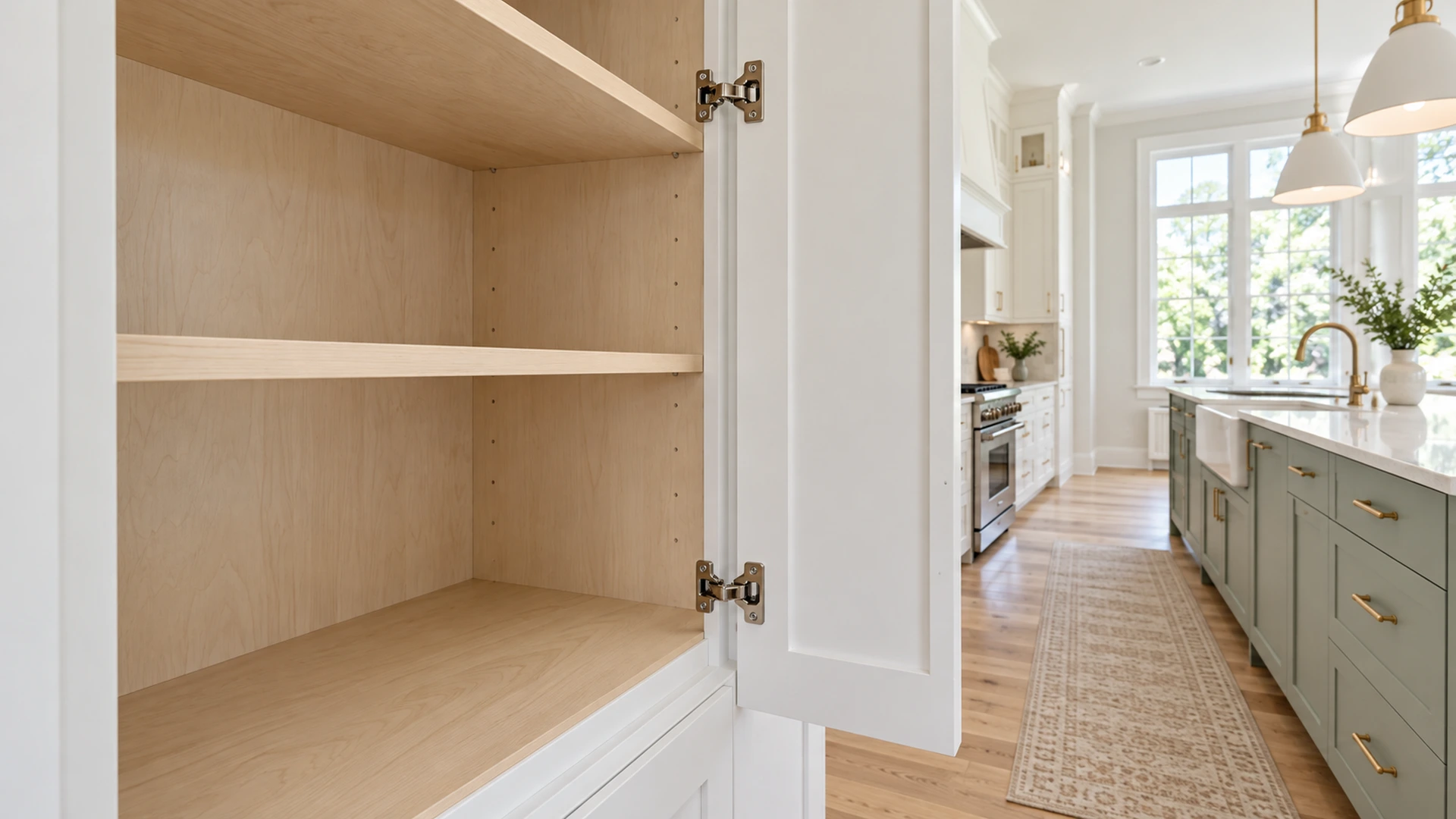
Check the shelf and whatever covers it
Painted wood, laminate, and unfinished wood can have different care requirements. Read the cabinet maker's guidance if you have it. Check a liner separately, especially if it is adhesive or already lifting at an edge. Pulling it away may affect the finish beneath it.
Keep removable shelves in place unless their removal and replacement are straightforward and safe. A loaded shelf can be heavier than it looks, and a loose support deserves attention before groceries go back. Stay with shelves you can reach comfortably. There is no need to stretch over a full lower shelf to clean a high corner.
If this is part of a larger kitchen cleanup, see Edu's house cleaning in Lincroft. Pantry interiors should be a specific request so the plan accounts for emptying shelves and putting food away.
Empty one shelf before starting on the next.
Collect the crumbs while the shelf is dry
Lift loose crumbs with a clean, soft tool suitable for the shelf. Begin at the back and work toward the front edge, collecting what you loosen. Keep food packages away from the work area. A narrow shelf corner is easier to see once the large pieces are gone.
Pay attention to the front lip and the sides, where a quick wipe often stops short. Avoid scraping a stuck spot with a blade or dragging gritty material across the finish. If a dry pass reveals a sticky mark, leave it for a separate, controlled wipe with a product appropriate for that surface.

Let the cleaned shelf dry before refilling it
Follow the surface and cleaner instructions, including any required removal of residue. Test an inconspicuous spot before treating the visible area. Keep moisture out of shelf seams and unfinished edges. More liquid makes it harder to control where the cleaner goes inside a cabinet.
Check that the surface is dry before returning a liner or groceries. Clean or replace a removable liner only as its instructions allow. Put the everyday items where you can see and reach them, leaving enough space to notice a spill. If a carton barely fits, do not wedge it against the back wall just to preserve the old arrangement.
Agree on pantry interiors before the visit
When asking about deep cleaning in Lincroft, say how many pantry shelves need attention and whether you will empty them. Confirm cabinet interiors, liners, and food handling separately. A kitchen cleaning request alone leaves too much room for different expectations about what gets moved.
Request a cleaning estimate and include the shelf that keeps collecting crumbs. Put away personal items and make your own decisions about groceries before the appointment. Afterward, a brief look behind the most-used packages when you restock can catch the next spill while the shelf is still easy to reach.