
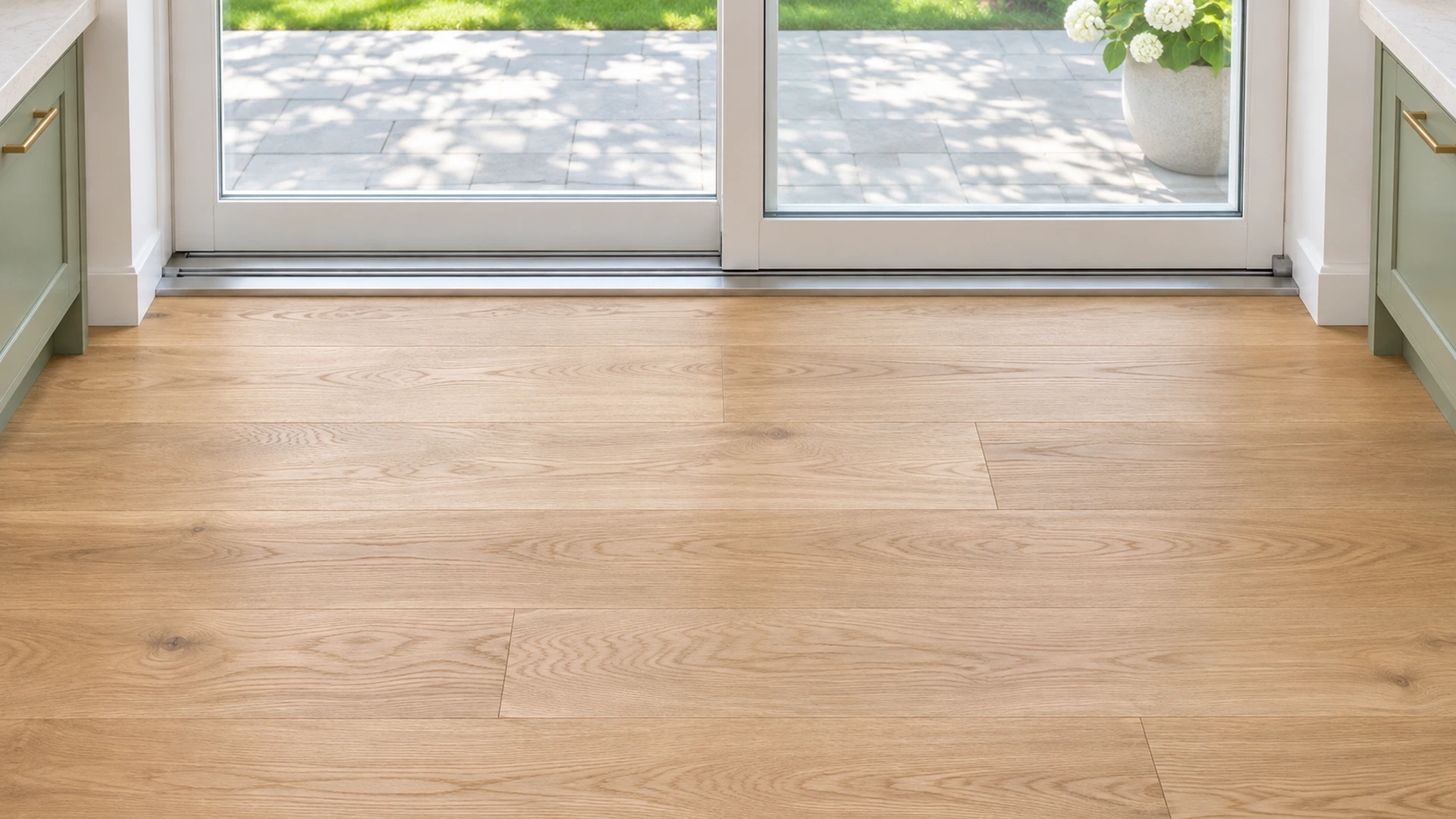
The kitchen floor looks clean until you open the sliding patio door. Along the bottom track there is a narrow line of grit that the mop never reaches. Each trip outside adds a little more, and wiping across the top only seems to push it into the corners. For a Hazlet household using that door every day, the track can need its own small cleaning job.
Begin with a look at the door's care instructions. Tracks, rollers, seals, and drainage openings have different purposes. The aim is to remove reachable dirt without flooding the channel or changing the hardware. If the door already sticks, note that first so a cleaning request does not quietly become an attempted repair.
Look at the track before adding water
Open the door only as far as it moves normally, keeping fingers clear of moving panels. Look for loose grit, hair, or small leaf pieces. Check where the dirt sits and whether there are damaged seals or loose components. Do not drag a heavy panel past resistance to expose another inch of track.
A photograph can help you describe the problem when arranging house cleaning in Hazlet. Mention whether the concern is visible debris, sticky residue, or a door that has become hard to move. Those are different observations, and the person planning the visit needs to know which one you mean.
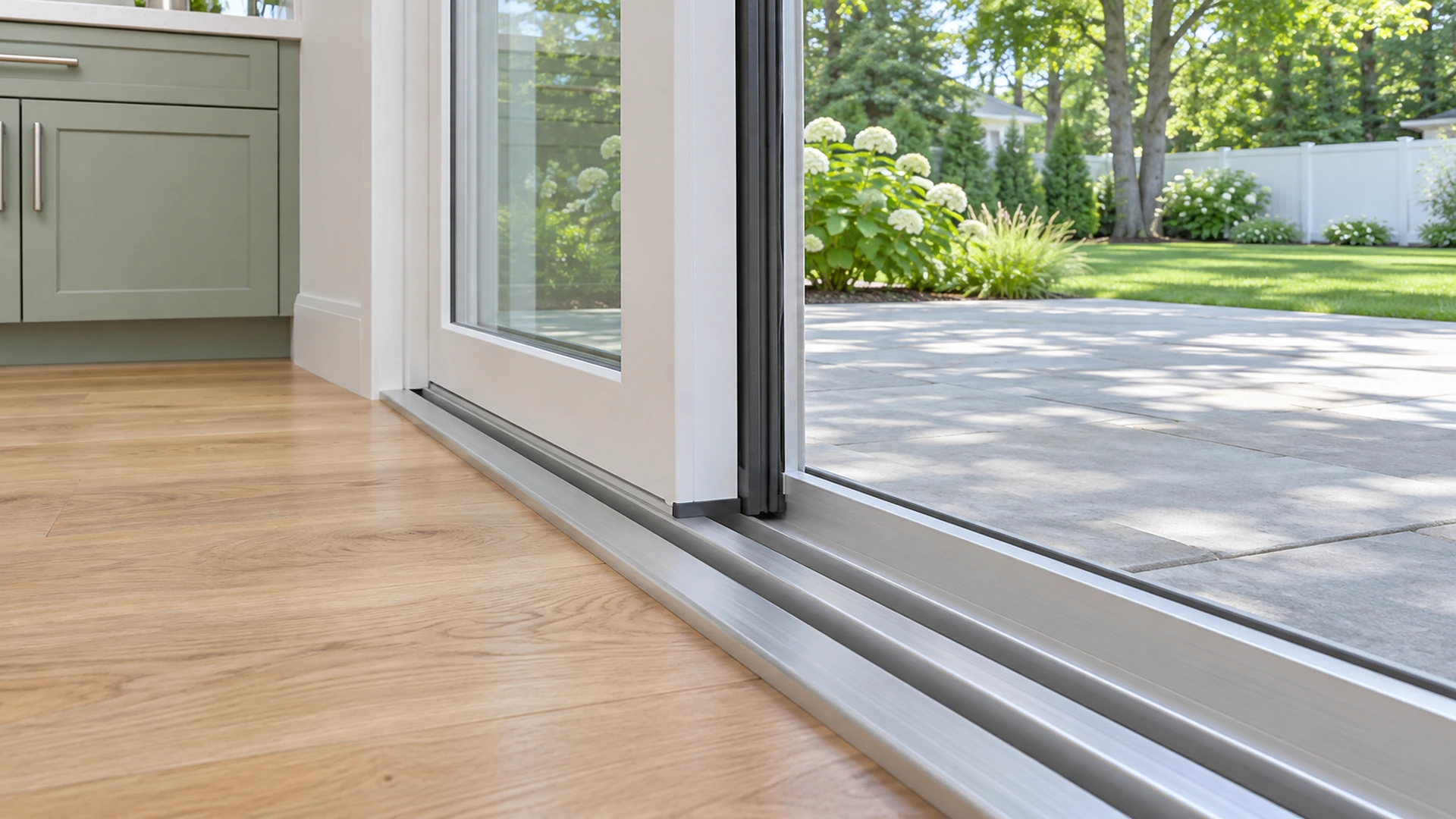
Remove the loose debris first
Where the maker allows it, use a suitable vacuum attachment to collect loose material from accessible sections. Keep the attachment clear of delicate seals. A gentle brush may loosen dust in a corner, but avoid forcing a sharp tool into a narrow gap. There is no need to scrape every dark line until the finish changes.
Work in short sections and check what remains. If you start with a soaked cloth, dry grit can become a paste that is harder to lift out. Keep the collected dirt away from the freshly cleaned floor, and empty the attachment somewhere suitable rather than tapping it out beside the doorway.
The useful stopping point is a clean track, not a door forced past a problem.
Use only the damp cleaning the door permits
If the care instructions permit wiping, use the specified cleaner and a lightly damp cloth on the reachable track surfaces. Keep water controlled. A track is not a basin to fill, and liquid can travel into places you cannot inspect. Follow any directions about drying, including the edges beside the floor.
Leave drainage openings clear. Do not push debris into them, seal them over, or probe them with improvised tools. Lubricating the rollers or track is also a separate maintenance question. Do not add oil, grease, or a household spray just because the door feels rough; use the manufacturer's guidance or ask a door technician.
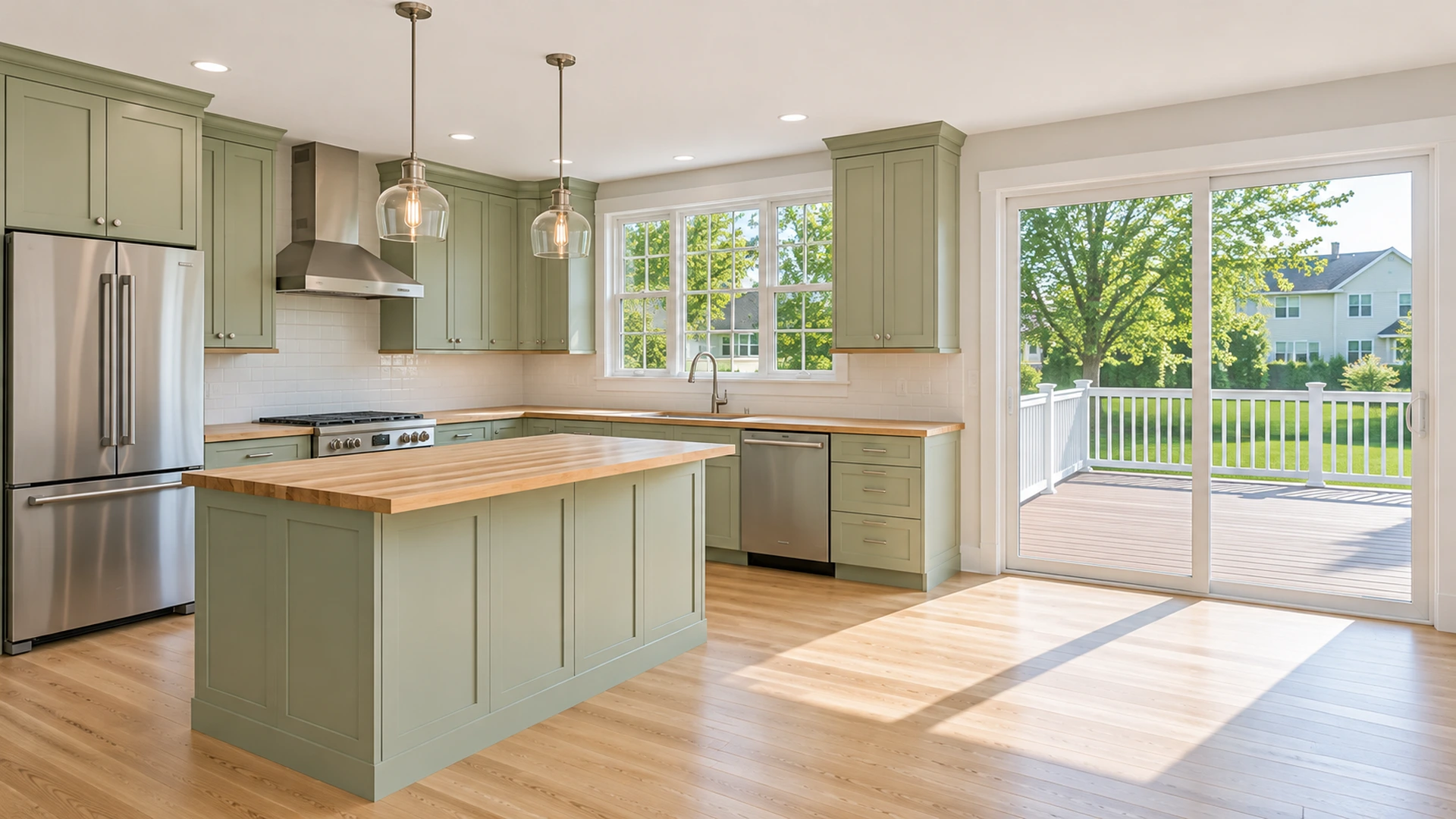
Know when the job has reached its limit
Once the accessible surfaces are clean and dry, check the door using its normal handle and normal pressure. A visible improvement does not guarantee smooth operation. Worn rollers, alignment problems, and damaged parts may still need attention. Stop if movement remains difficult, and keep that issue separate from the cleaning result.
Notice the floor right beside the threshold too. Lift remaining grit before finishing that small area with the floor's approved method. Keep any mat flat and outside the door's travel. A clean track is less useful if the next opening drags the mat into the panel or carries a new trail of debris inside.
Ask for the track by name
If the corners need more attention than you can fit into the usual kitchen tidy-up, review Edu's deep-cleaning service in Hazlet. Ask whether the accessible interior patio-door track can be included. Confirm the limits around exterior sections, screens, hardware, and door removal. None of those should be assumed from a general room checklist.
You can start through the booking and estimate page. Describe the door location, any care instructions, and whether it moves normally. Clear the immediate floor area before the visit and keep pets away while the doorway is open. With that information settled, the cleaning can focus on the grit you actually noticed, and any remaining mechanical problem can go to the right person.
Images are AI-generated illustrations of home settings, not customer jobs. The silent video uses camera motion over an illustrative photograph.